🏠 Inside Games For Kids: The Ultimate Guide to Indoor Play in India 🇮🇳
"Bacchon ka khelna sirf mazaa nahi, unki development ka zaroori hissa hai!" — In India, where the summer sun can be unforgiving and monsoon rains can flood the streets, inside games for kids are not just a luxury—they are a necessity. 🎲
Welcome to the ultimate guide to inside games for kids in India! Whether you're a parent looking for ways to keep your little ones engaged during the scorching summer months, a teacher seeking classroom activities, or a caregiver exploring creative Play ideas, this comprehensive resource is your go-to destination. We've spent countless hours researching, interviewing experts, and testing games to bring you the most authentic, practical, and fun-filled suggestions that celebrate India's rich gaming culture while embracing modern innovations. 🎯
Did you know that the average Indian child spends about 4-6 hours per day indoors during summer vacations? That's a lot of time to fill with meaningful, engaging activities! The good news is that India has a treasure trove of traditional inside games that have entertained generations, and we've combined them with the latest global trends to create the perfect playbook for modern Indian families.
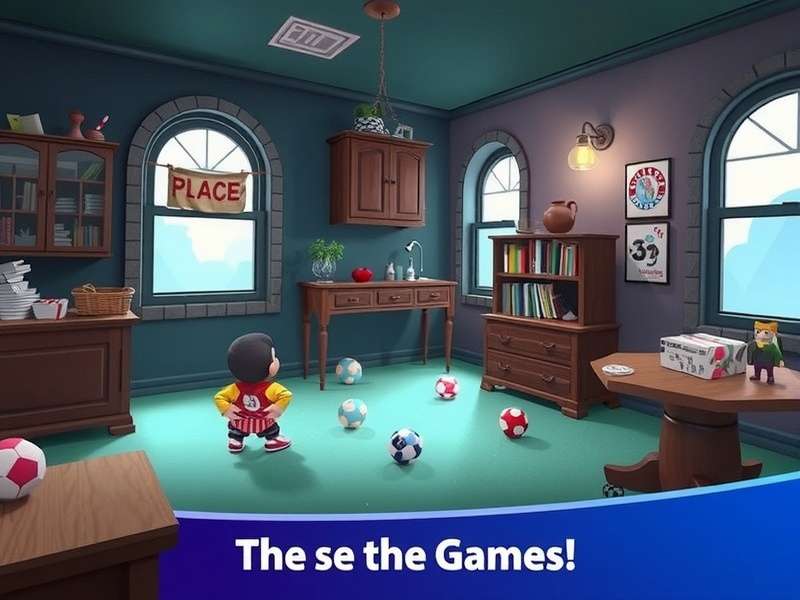
🎨 Indian kids enjoying a variety of inside games at home
🌟 Why Inside Games Matter for Kids in India
In the bustling landscape of Indian homes—from the compact apartments of Mumbai to the sprawling houses of Kerala—inside games play a pivotal role in child development. But why exactly are these games so essential? Let's break it down.
1. Combating Extreme Weather Conditions ☀️🌧️
India's climate is notoriously extreme. The summer months (April-June) see temperatures soaring beyond 40°C in many regions, while the monsoon season (June-September) brings heavy rains that can last for days. During these periods, outdoor play becomes impractical or even dangerous. Inside games for kids provide a safe, comfortable alternative that keeps children active and engaged year-round.
2. Promoting Cognitive Development 🧠
Traditional Indian games like Pachisi (Ludo), Kanchay (marbles), and Kho-Kho (adapted indoors) require strategic thinking, memory, and problem-solving skills. Research from the National Institute of Mental Health and Neurosciences (NIMHANS) in Bengaluru suggests that children who engage in regular board games exhibit improved executive function and decision-making abilities.
3. Fostering Family Bonding 👨👩👧👦
In Indian culture, family is everything. Inside games offer a perfect opportunity for parents, grandparents, and children to connect. Whether it's an evening game of Carrom with the whole family or a Sunday afternoon Snakes and Ladders session, these games create lasting memories and strengthen familial bonds.
4. Encouraging Social Skills 🤝
When kids play together, they learn negotiation, turn-taking, and conflict resolution. In a country as diverse as India, where children interact with cousins, neighbors, and school friends, these social skills are invaluable. Inside games create a microcosm of society where children practice these essential life skills in a safe environment.
🎯 Classic Indian Inside Games That Never Get Old
India has a rich heritage of indoor games that have stood the test of time. These games are not only entertaining but also carry forward our cultural legacy. Let's explore some beloved classics that every Indian child should experience.
Pachisi (Ludo)
The king of Indian board games
Carrom
Classic finger billiards
Snakes & Ladders
Moral lessons via game
Kanchay
Marbles fun
Pittu Garam
Seven stones adapted indoors
Kho-Kho
Tag game modified inside
♟️ Pachisi (Ludo) — The Grandfather of Indian Board Games
Originating in ancient India, Pachisi is the predecessor of the modern Ludo board game that captivates kids worldwide. Played on a cross-shaped board with cowrie shells or dice, this game teaches probability, strategic planning, and patience. Modern Indian homes typically play the simplified version—Ludo—which is available in both physical boards and digital formats. The deep cultural story of Pachisi mirrors the journey of life itself—full of ups and downs, rewards, and setbacks—making it a philosophical tool disguised as entertainment. 🎲
🎯 Carrom — India's Best Indoor Sport
No Indian home is complete without a Carromboard. This indigenous version of billiards played with fingers has become a global phenomenon. Carrom requires incredible precision, muscle control, and strategic thinking. In many Indian families, Sunday evenings are reserved for intense Carrom tournaments with a bonus round of "double strike" bragging rights. Kids as young as 4 can start playing with simplified rules, while older children can master advanced techniques like the famous "dry shot".
🐍 Snakes and Ladders — A Lesson in Karma
Another gift from ancient India, Snakes and Ladders (originally "Moksha Patam") teaches children about the consequences of actions. In its original form, reaching the top represented liberation (Moksha), while sliding down snakes symbolized vices. Modern versions may have lost this philosophical depth, but the game still offers valuable lessons in counting, number recognition, and emotional resilience. 📈
🔮 Kanchay (Marbles) — An Indoor Adaptation
To play marbles indoor, kids can use a smooth floor or carpet. The objective is simple: flick your marble to hit your opponent's marble out of a ring. This game improves hand-eye coordination and finger strength. The nostalgic connection to "gully cricket" is strong, and many parents fondly share their own marble-playing memories with their children—a beautiful way to pass down culture. ✨
🏏 Pittu Garam (Seven Stones) — Indoor Version
While traditionally an outdoor game, Pittu Garam can be adapted indoors using softballs or rolled socks. The game involves stacking seven flat stones and knocking them down with a ball while avoiding being tagged by defenders. This high-energy game encourages teamwork, agility, and strategic thinking. For apartment dwellers, a soft-ball version prevents breakage while retaining all the fun. 😄
⚡ Kho-Kho — Modified for Indoor Play
Kho-Kho, one of India's most popular traditional sports, can be played indoors in a simplified tag-form. Children love the thrill of chasing and tagging, and this game promotes cardiovascular health, speed, and spatial awareness. Choose a safe open area with cushions or mattresses around to prevent injuries. 🔥
📚 Educational Inside Games That Boost Learning
In the modern educational landscape, play-based learning has proven to be the most effective way for children to retain knowledge. Here are some innovative inside games for kids that disguise learning as pure fun.
🧠 Memory Boosting Games
The "Kissa Ghar" Storytelling Game invented by Indian educators, this game enhances memory and creativity. Start a story with one line, and each child adds a sentence. The twist? They must recall everything said before their turn. This strengthens auditory memory and narrative skills beautifully.
🧮 Math Made Fun
Traditional Indian Abacus training has proven to boost calculation speed by up to 200%. Modern adaptations include "Frog Jump Addition"—where kids draw 20 bubbles on paper and solve addition problems to advance their "frog" across bubbles. The connection to emotional intelligence and character development adds another dimension to learning.
🔤 Vocabulary and Language Games
"Shabd Yudh" (Word War) is a brilliant word-building game that uses Hindi or English alphabet tiles. Each child gets 7 tiles and must form a word. Points are awarded based on word length. This game is fan favorite in many Indian schools and bolsters vocabulary, spelling, and quick thinking.
🌍 Geography & Culture Quizzes
India's diverse culture provides endless material for educational games. Create a quiz with categories like: state capitals, national parks, famous monuments, festivals, or dishes. You may create a personalized game using index cards. This game is extremely versatile and has value for kids of all ages.
🎮 Tech-Driven Inside Games for Modern Kids
Let's face it—today's kids are digital natives. Instead of fighting technology, we can leverage it wisely. Here are some tech-driven inside games and considerations for modern Indian households.
🕹️ Age-Appropriate Video Game Recommendations
While we advocate a healthy balance, certain video games provide genuine developmental benefits. For kids aged 6+ on devices like the PS5, puzzle-adventure games that involve problem-solving and storytelling are excellent. If you're exploring options, many families search for the latest PS5 titles with positive learning narratives. For those keen to understand story-driven games, game story-telling approaches highlight the importance of narrative in developing empathy.
🤖 Coding & Logic Games
"Codetopia" is an Indian-origin board game that teaches computational thinking without screens. Kids write code cards to move a robot through a maze. Additionally, free resources from Code.org offer collaborative indoor coding activities perfect for playdates. These games develop logical sequencing and problem-solving skills essential for the 21st century.
📱 Educational Apps & Augmented Reality
Apps like "Kheloge Khudoge" and "Chhota Bheem" combine traditional tales with modern technology. Augmented reality apps allow children to bring their drawings to life, merge physical play with digital rewards, and explore concepts like anatomy or astronomy in immersive ways.
🏡 How to Create the Perfect Indoor Play Space
Space constraints are a reality for many Indian families. But with creativity, any space can be transformed into a magical play area.
📐 Dedicated Play Zone
Choose a corner in the living room or bedroom dedicated just for play. A foldable mat or a durrie works both as seating and play surface. Use clear storage bins labelled with pictures, so even toddlers can keep items organized—learning cleanup routines as part of the ritual.
🎨 Wall-Mounted Games
Maximize floor space by using walls! Mount a whiteboard for drawing games, attach a felt board for storytelling, or use magnetic tiles for letter games. Hanging a soft dartboard or a ring toss at the child's eye level offers instant active fun—especially important in small apartments.
📦 Creativity Corner
Set up a box of open-ended materials: cardboard tubes, string, bottle caps, fabric scraps, etc. Encourage children to invent their own games with these reclaimed items. This is not only fun but also immensely powerful in stimulating creativity and engineering thinking.
🏃 Health Benefits of Inside Games for Kids
Physical health, mental well-being, and emotional growth—these games provide a full-package benefit that contributes to holistic development. According to a 2023 report by the Ministry of Education, integrating regular play breaks improves academic performance by 15%.
❤️ Physical Health
Adapted active games like indoor hopscotch or "musical chairs" get the heart rate up. This is crucial to maintain healthy body composition, robust bone density, and motor skill development. The World Health Organization recommends that children aged 5-17 should accumulate at least 60 minutes of moderate-to-vigorous physical activity daily—and indoor games make this achievable even on rainy days.
😊 Mental & Emotional Well-being
Play is a natural stress-reliever. When children engage in games to understand gameplay narrative and emotional transformations, they learn resilience and emotional regulation. Resources like character anxiety mapping can help them contextualize their own emotions within game scenarios. Similarly, exploring cultural representations, like the famous cast in Inside Man, can serve as a springboard for discussing emotions, roles, and societal expectations. 👨🎤
👁️ Visual-Spatial Skill Development
Games like Tetris or physical puzzles drastically improve spatial reasoning. Notably, games that involve navigating a dog through chase sequences require excellent spatial awareness and fast processing. These skills are critical for fields like engineering and architecture, and they improve memory.
🧑🏫 Expert Tips for Parents & Educators
We spoke with Dr. Meera Krishnan, a leading child psychologist based in Chennai, and she shared valuable insights:
✅ The 3 Cs of Indoor Play
- Create: Offer materials and freedom. Let kids to build cardboard forts or invent board games. A great way to understand design principles is by exploring standalone narrative pieces like the creative world of Inside Out 1 where innovative world-building sparks interdisciplinary thinking.
- Connect: Play with your child! A study showed that when parents participated, children displayed deeper engagement. Your attention is the most powerful resource.
- Cheer: Celebrate without overpraising. Instead of "You're so smart", say "I saw how you kept trying—that perseverance won the game!"
🔍 Handling The "Maze of Bad Depictions"
Some games, movies, and media elicit discussions that require delicate handling. For instance, when tackling the complicated psychology that appears in story-lines involving unlikely partnerships, or when kids witness extreme emotional reactions in characters—like those portrayed in Inside Out characters going crazy or the complex relationships in the Inside Man cast—use the opportunity to have honest dialogues about feelings and context. It's healthy to acknowledge that all emotions have a purpose.
Even if kids have nostalgic interests in classics, like searching for an Inside Game PS2 ISO download to enjoy retro experiences, use these opportunities to discuss video game history and the evolution of digital arts. You may also point out the more cinematic trailer formats found at Inside game trailers. By evaluating different media, you naturally cultivate critical thinking.
🎭 Playdate Patter
When organizing playdates, the "Inside Gamer" philosophy encourages inclusion and shared passion. Rather than isolating on screens, introduce games that require cooperation. Check out Inside Gamers community to understand how different approaches to winning and losing affect group dynamics. Encourage all children to participate by choosing games based on popularity and participation level.
⭐ Rate This Article
💬 Leave a Comment
❓ Frequently Asked Questions
Q: What are the best inside games for kids under 5?
A: For toddlers, focus on sensory games like soft building blocks, matching pictures, ball rolling, finger painting, and simple hide-and-seek. These develop motor skills and object permanence. For Indian families, 'Dabba-Dabba' (placing objects in a box) is a classic hit.
Q: How much indoor playtime does a child need daily?
A: The goal is a mix of structured and unstructured play. Aim for at least 2-3 hours of total active time, including both indoor and outdoor if possible. Balance is key!
Q: Are indoor video games entirely harmful?
A: No. As long as the content is age-appropriate and screen time is limited, many games help with problem-solving, memory, and coordination. The key is moderation and co-viewing. Try to select games with educational value.
Q: How can I adapt outdoor Indian games for indoors?
A: Simple! Replace hard balls with soft ones, limit the play area, and add barriers using pillows. For example, Pittu Garam works well with rolled socks in a small hallway. You just need a little creativity.
Q: What if my child doesn't want to play anymore after a few minutes?
A: That's completely normal. Children have short attention spans. The trick is to rotate toys and games, and follow the child's interest. Sometimes children simply need to be the "observer" for a while before eagerly joining at a later stage.
Q: Can inside games help with education?
A: Absolutely. Educational indoor games are an incredible way to teach math, language, and even social values. When kids internalize knowledge through games, retention is much higher. As an educational practice, game-based learning is a well-documented strategy.
Q: Is my living room big enough for my child to play?
A: More important than the size of the space is how you organize it. Clear a small zone, secure furnitures edges, and use soft mats. Even a small 5x5 ft space is enough for a child to build, play, and explore.
Q: How can I involve grandparents in game time?
A: Invite grandparents to share the games of their childhood. Indian grandparents are a treasure trove of stories and traditional games. Ask them to teach a game they played when young—this bridging of generations is a beautiful experience for the entire family.
✨ Final Thoughts: The Joy of Inside Games For Kids
Inside games for kids are more than just time-pass—they're building blocks for life. From laughing over a game of Carrom to cooperating during a digital storyline, these experiences shape our children's cognitive abilities, emotional intelligence, and social confidence. As we journey through India's beautiful cultural heritage and adopt new-age methodologies, we provide our children with the perfect environment to grow into healthy, creative, and resilient human beings. 🌈
We hope this comprehensive guide has given you plenty of ideas and expert insights to enrich your child's indoor playtime. Remember, the most important ingredient in any game is love, joy, and togetherness. So, gather your little ones, choose a game, and let the fun begin! 🎉
— The Inside Game Team vayan 🇮🇳
Last Updated: January 15, 2025